Spaces That Work the Way You Live
Residential Contracting Services in Sacramento for homes needing improved layout, updated systems, or structural improvements
Valley Construction and Renovation handles residential contracting projects across Sacramento, Carmichael, Elk Grove, and surrounding areas that address how homes function day to day. Homeowners contact us when kitchens lack storage, bathrooms need moisture-resistant upgrades, or roofing systems show wear from California heat exposure. We coordinate remodeling work that accounts for how rooms connect, where natural light enters, and how seasonal temperature swings affect material performance.
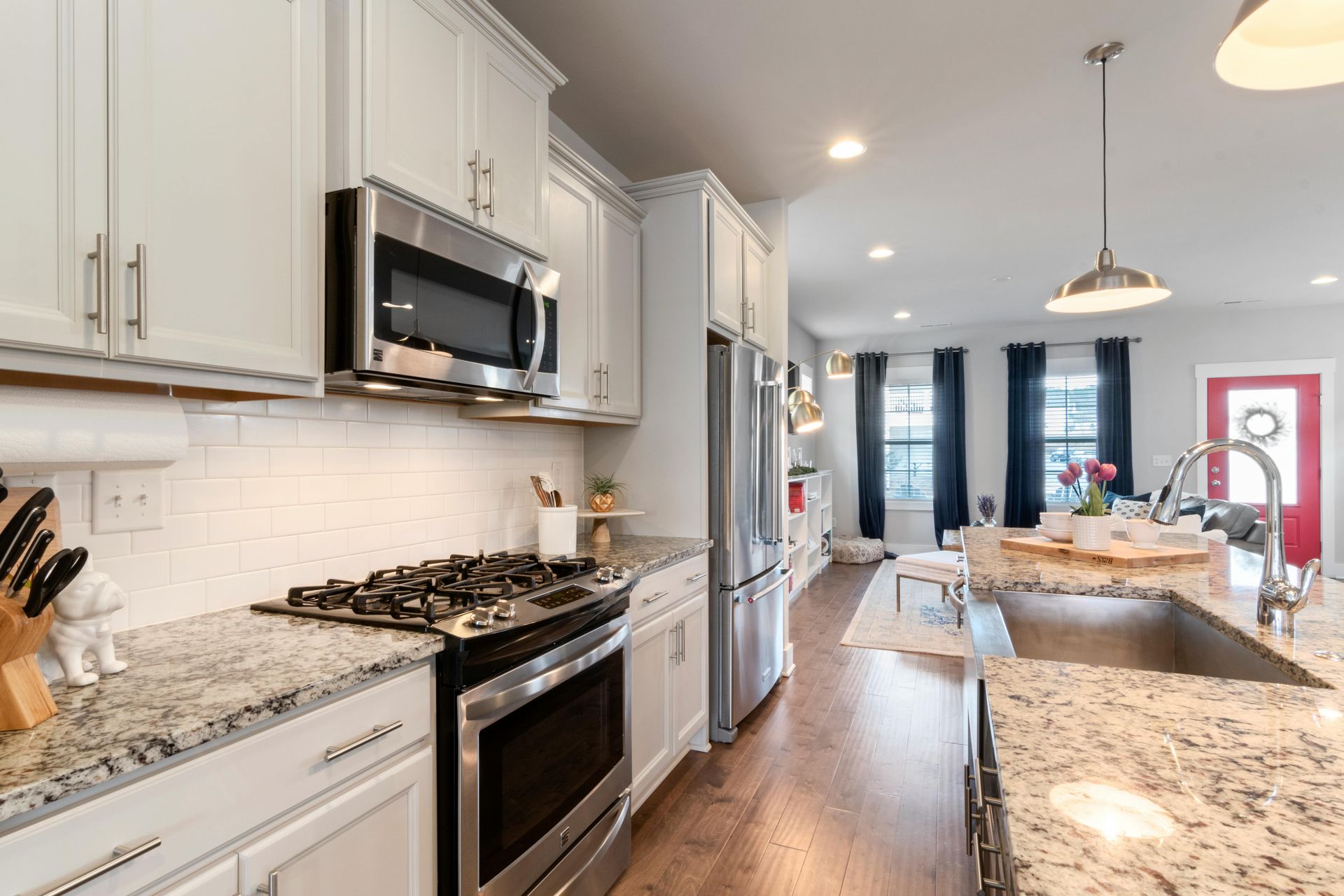
Residential contracting involves evaluating what the property currently provides, identifying structural or functional limitations, and planning improvements that align with how the space gets used. Projects may include expanding kitchen work zones, replacing aging roof decking before new shingles go on, or installing flooring materials that handle both indoor traffic and moisture tracked in during wet months. Each decision—from cabinet depth to fence post spacing—affects long-term durability and daily convenience.
Schedule a property walkthrough to review specific layout concerns and material options suited to your home's construction.
How Coordinated Residential Projects Prevent Rework
Residential contracting brings multiple trades under one project timeline so that rough plumbing precedes tile work, electrical upgrades happen before drywall closure, and exterior improvements like fencing or roofing don't interfere with interior finishes. This sequencing prevents the common problem of tearing out new work to access systems that should have been updated earlier. Valley Construction and Renovation manages subcontractor scheduling so that framing, mechanical, and finish work happen in the correct order without delays that stretch projects across months.
After residential contracting work finishes, you'll notice that doors close squarely without binding, countertops sit level without gaps, and outdoor structures like fences remain plumb through seasonal ground movement. Flooring transitions between rooms align cleanly, roofing valleys channel water away from siding, and cabinetry hardware operates smoothly because installation happened after walls were perfectly square. These details separate temporary fixes from improvements that hold up across years of use.
Residential contracting covers structural modifications, system upgrades, and finish installations, but does not include permitting assistance for major additions or engineering services for foundation issues beyond typical settling. Projects also exclude appliance purchases, though we coordinate installation and utility connections once homeowners select their equipment.
What Homeowners Ask About Residential Projects
Residential contracting questions often focus on how different improvement phases connect and what homeowners should plan for during construction.
What gets decided before demolition starts?
Material selections for items with long lead times—cabinets, countertops, specialty tile—need confirmation before removal begins so that installation can proceed immediately after rough work completes, preventing construction gaps that leave homes partially torn apart for weeks.
How does Sacramento's climate affect material choices?
Summer temperatures above 100 degrees require roofing materials with high thermal resistance, exterior paint formulated to resist UV breakdown, and hardwood flooring with expansion gaps sized for seasonal humidity swings between dry summers and wetter winter months.
Why do bathroom remodels take longer than kitchen updates?
Bathrooms involve more waterproofing steps—shower pan installation, backer board sealing, multiple membrane layers—and tighter working spaces that slow tile cutting, fixture positioning, and plumbing adjustments compared to kitchens where larger open areas allow faster material staging.
What happens if existing framing isn't square?
We shim walls, adjust door jambs, and scribe cabinets to fit irregular openings so that new installations appear level and uniform even when underlying structure varies by fractions of an inch across a room's width.
When should exterior and interior work happen?
Roofing, siding, and fencing typically finish before interior remodeling to prevent weather exposure during construction and avoid tracking outdoor debris through completed flooring or freshly painted rooms.
Valley Construction and Renovation coordinates residential projects so that each phase builds on completed work without requiring backtracking. Contact us to walk through your property and outline a construction sequence that matches your timeline and budget parameters.